Main Objective:
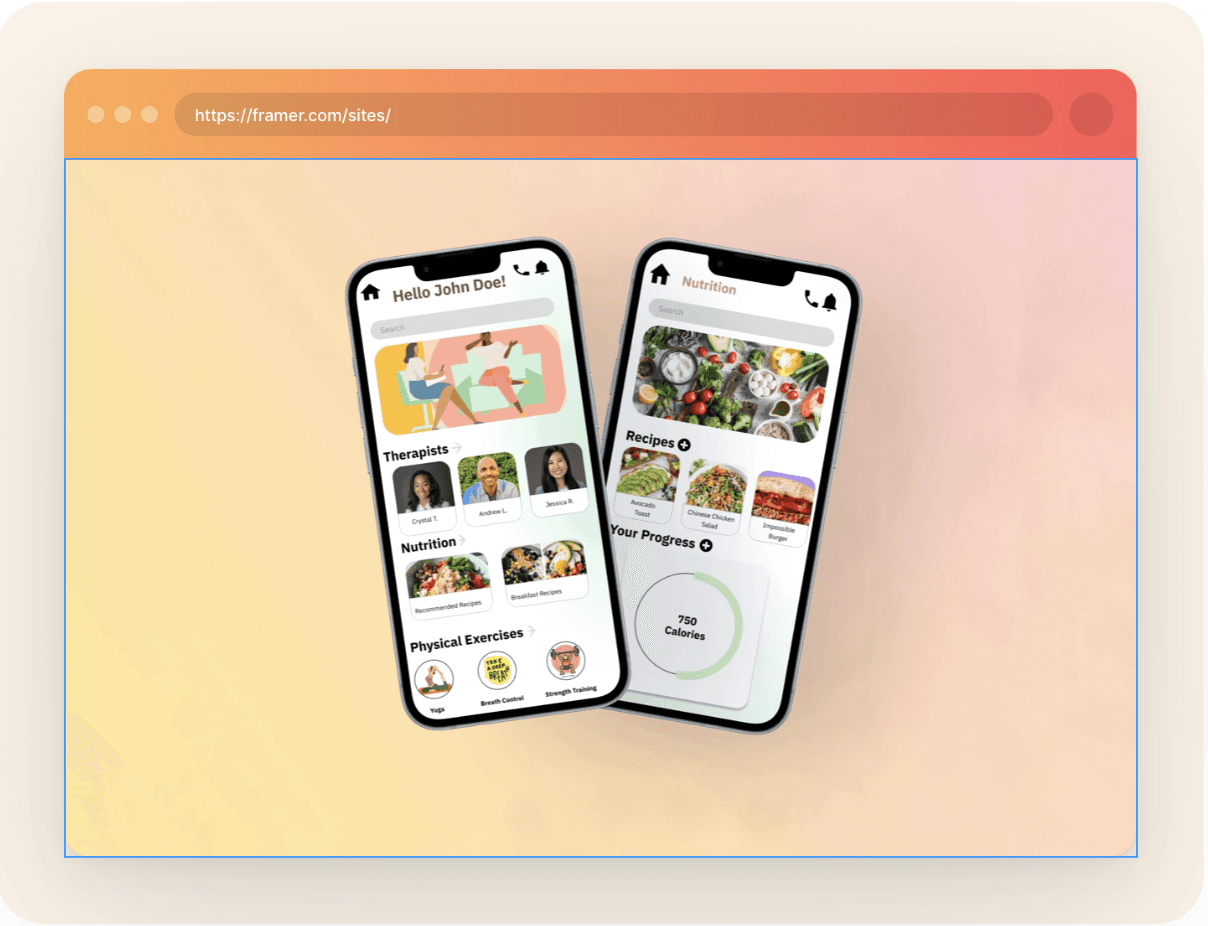
Our Holistic Mental Health Care App empowers users with personalized tools, guidance, and community support for emotional resilience and balanced mental well-being
Goals:
Our goal is to personalize your experience, offering tailored recommendations and resources to guide you through mindfulness exercises and provide journal prompts. We aim to help you track your emotions for increased self-awareness while striving to foster a supportive user community.
Solutions:
We use data to provide customized mindfulness and self-care recommendations, offering a library of audiovisual relaxation content. We also incorporate emotion tracking to gain valuable insights and create a virtual space for discussions and mutual support.
Overview: Inspired by healthcare providers' dedication during the Covid-19 Pandemic, we created an app to offer access to mental health support and resources, enhancing well-being in daily life.
User Surveys
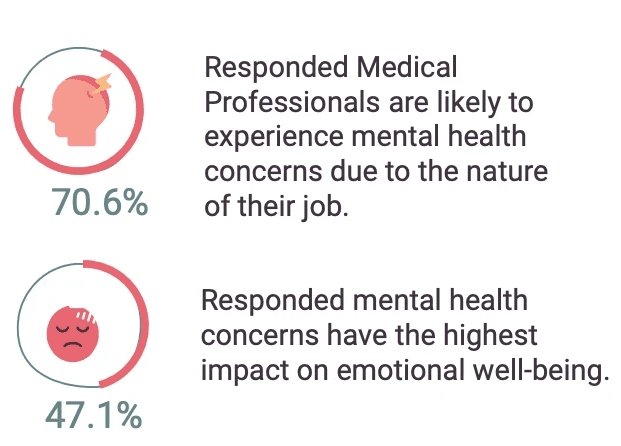
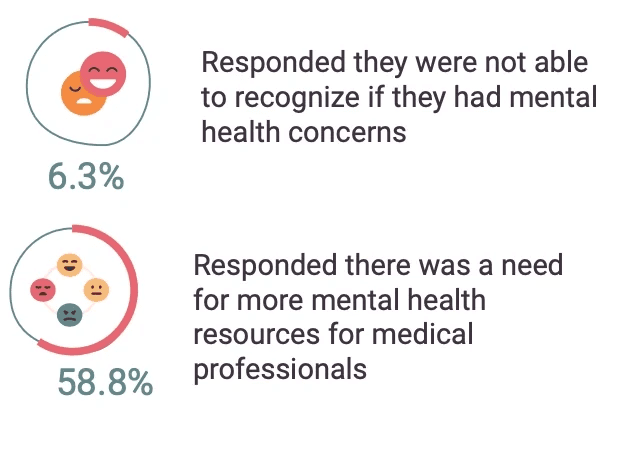
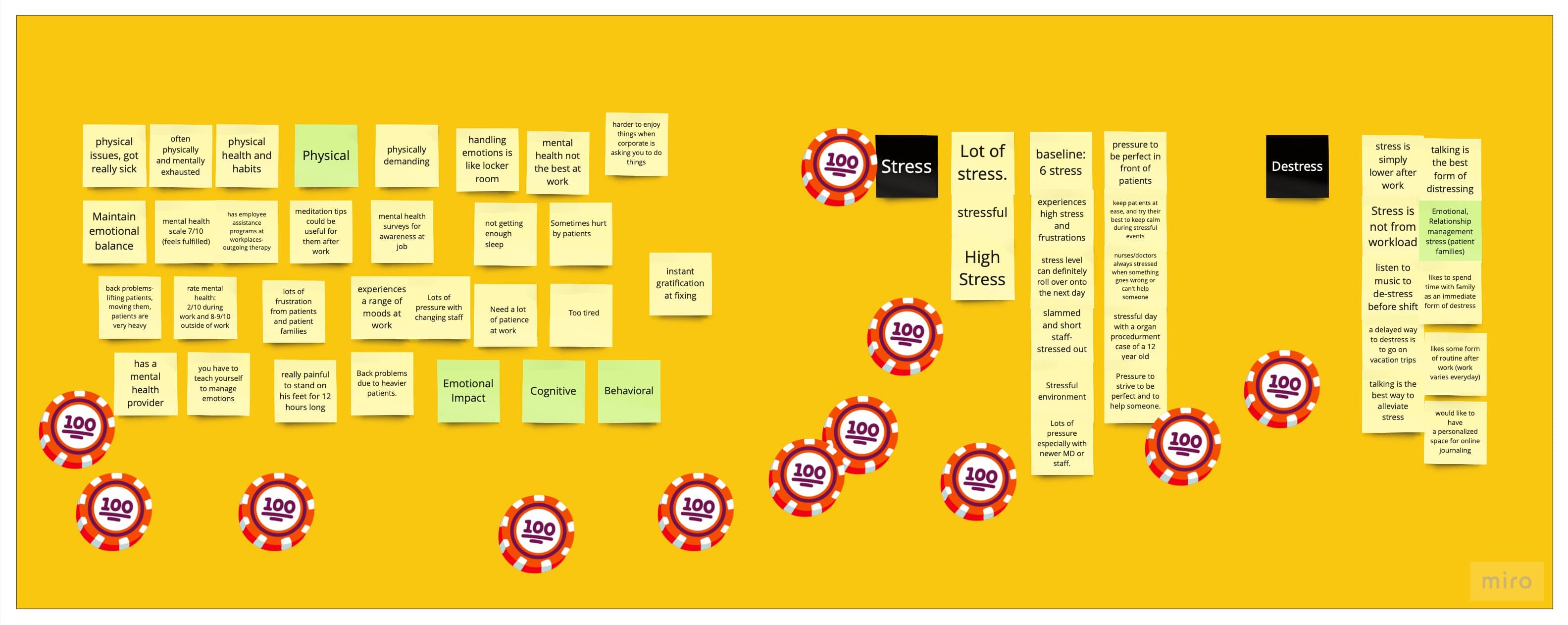
Targeting healthcare professionals, we surveyed and interviewed them to identify challenges, coping strategies, and mental health concerns. This guided our app's design, providing valuable, ongoing support within their busy schedules.
User Interviews

User Participant #1
"I find myself sacrificing sleep and often skipping meals, with fluctuating eating and sleeping cycles becoming the norm…"

User Participant #2
"… The fear of societal judgment and the stigma around seeking therapy further compound this challenge. They've [my family] become my safe haven, understanding my struggles…"

Synthesize Findings
The insights gained from these interviews and surveys played a crucial role in shaping my design process. They provided essential guidance for key decisions and directed the evolution of the comprehensive mental health care app.
User Journey
We carefully mapped out the user journey for someone seeking mental health support, guiding our user-centric design to ensure a seamless experience.
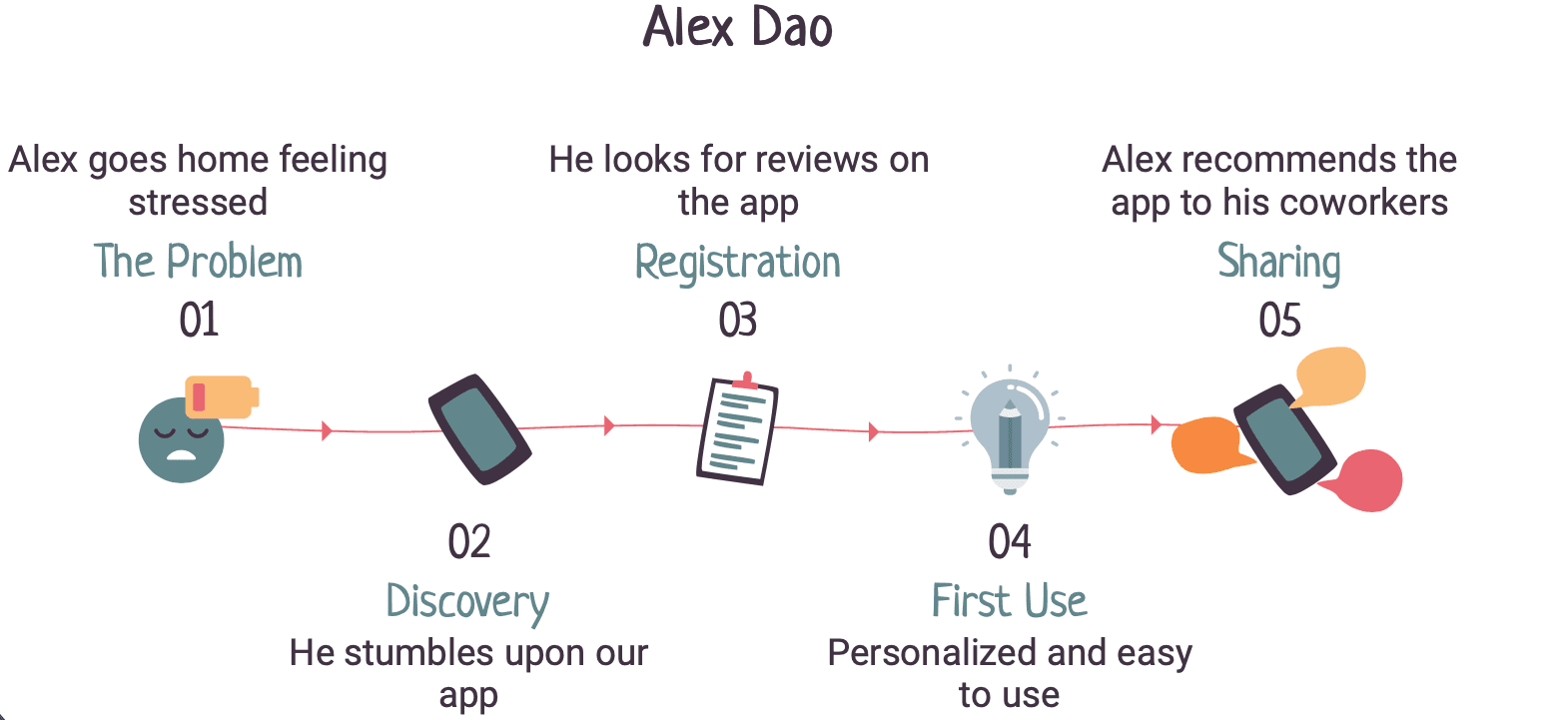
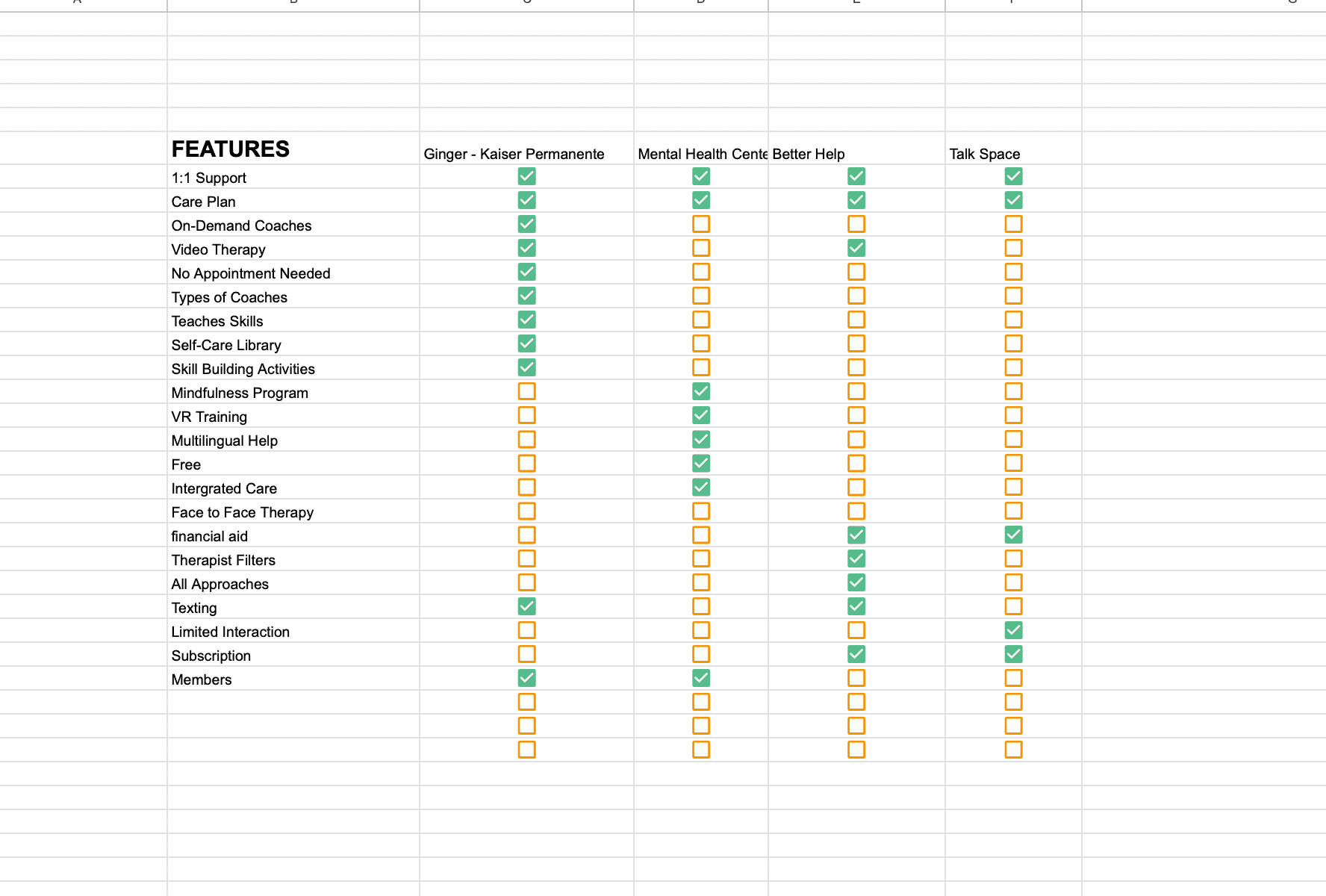
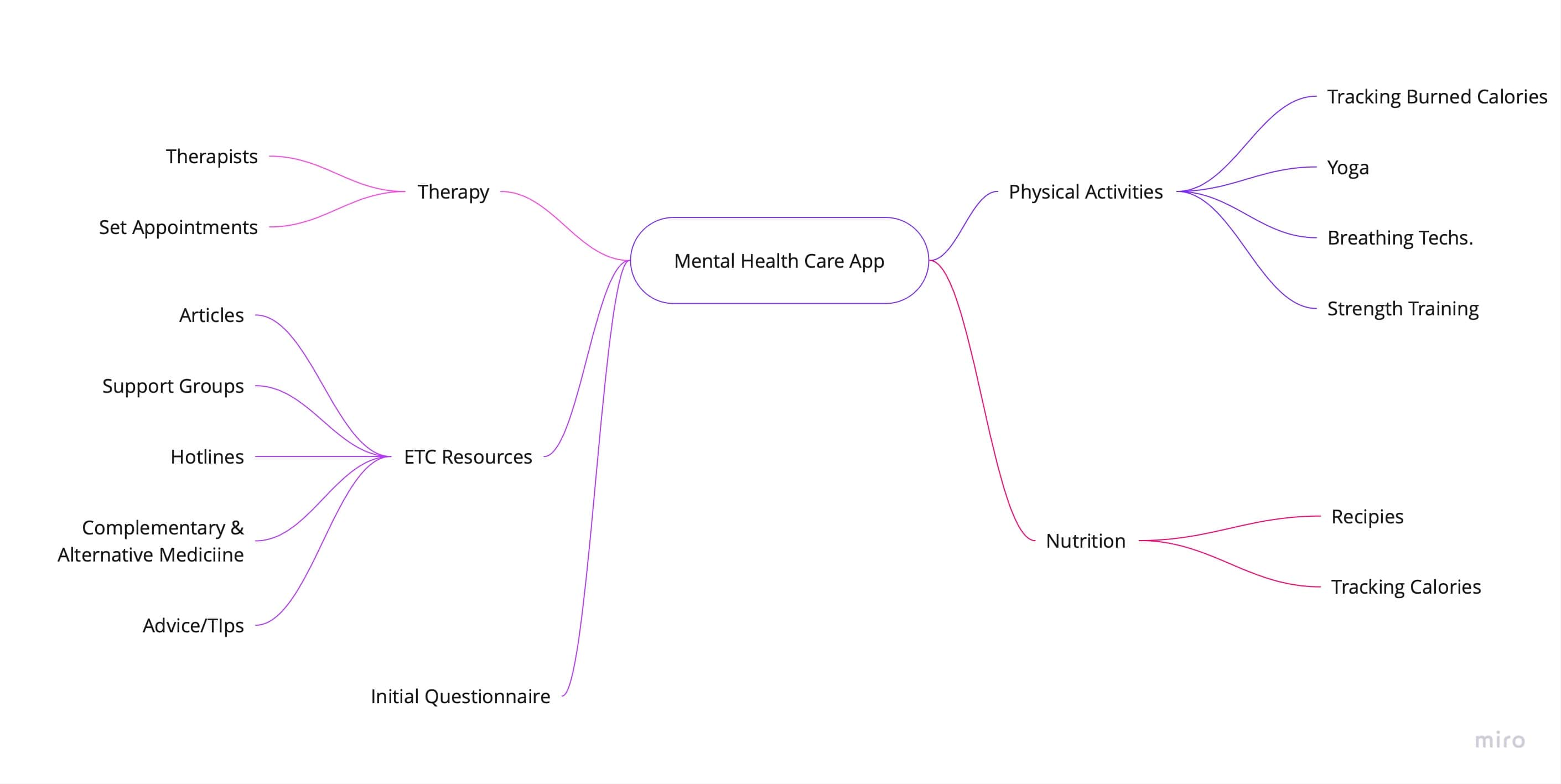
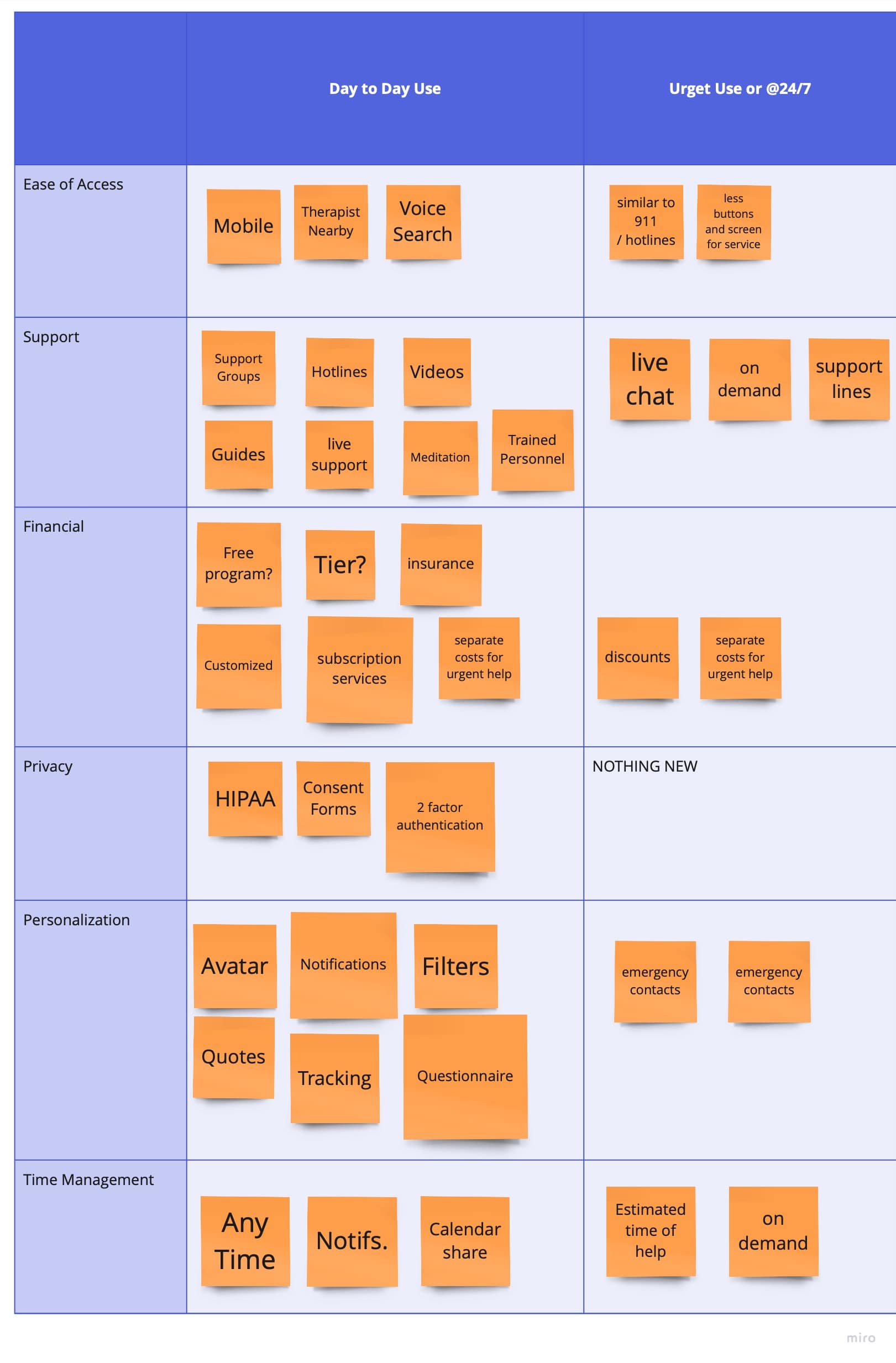
Crafting the mental health app was an empathy-driven journey. We used user insights to create a transformative platform that supports well-being through personalized features and a strong community.
Wireframes
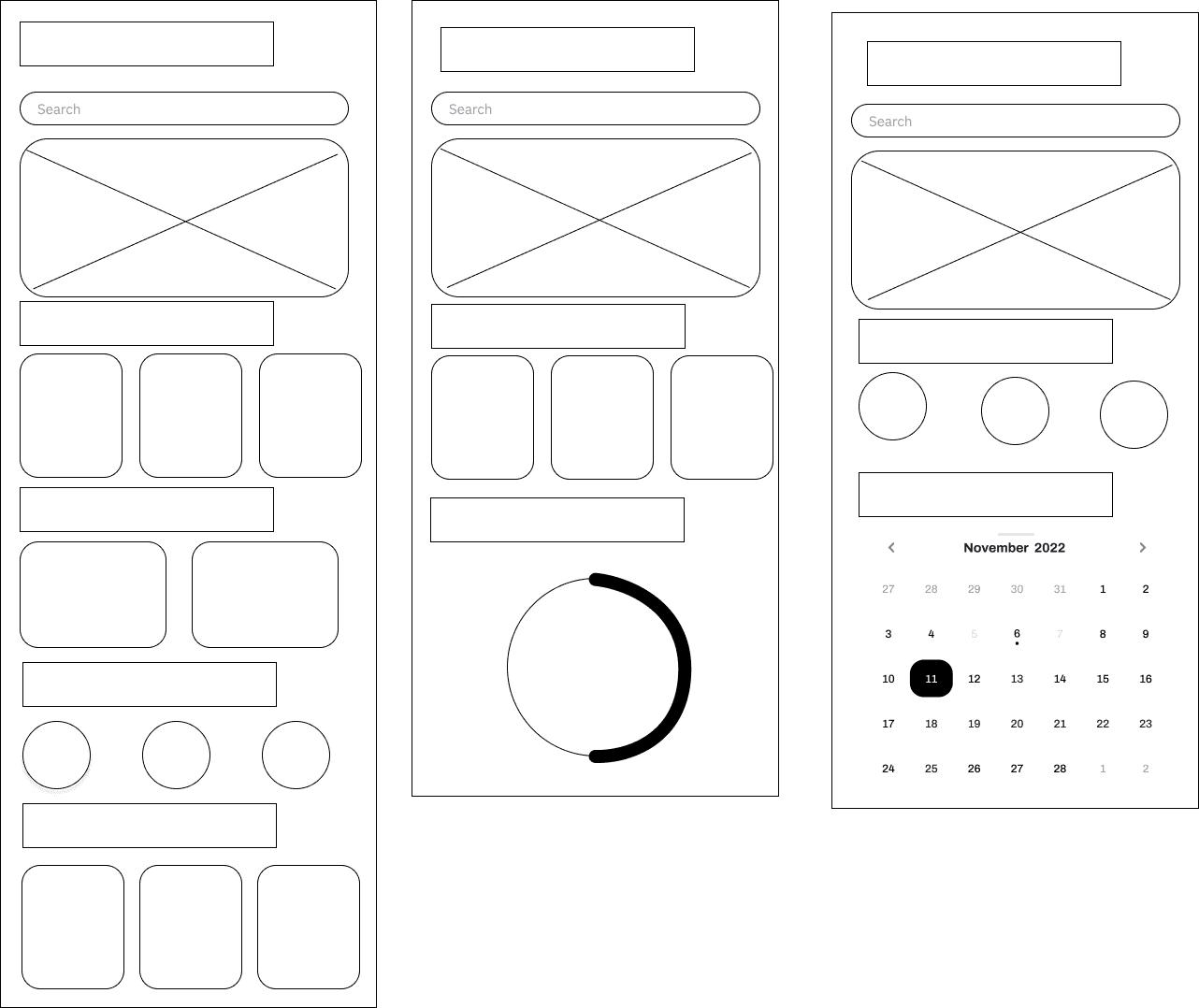
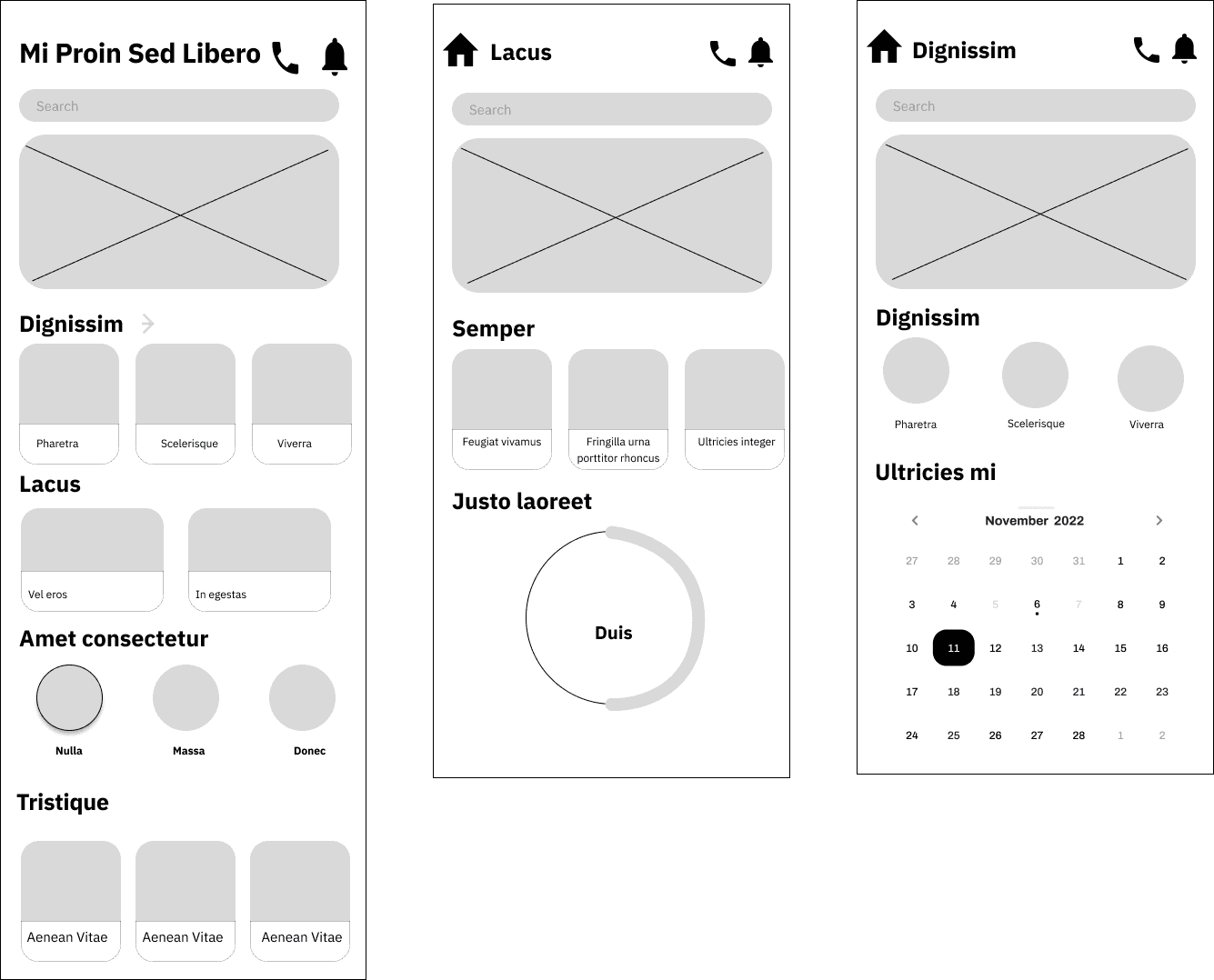
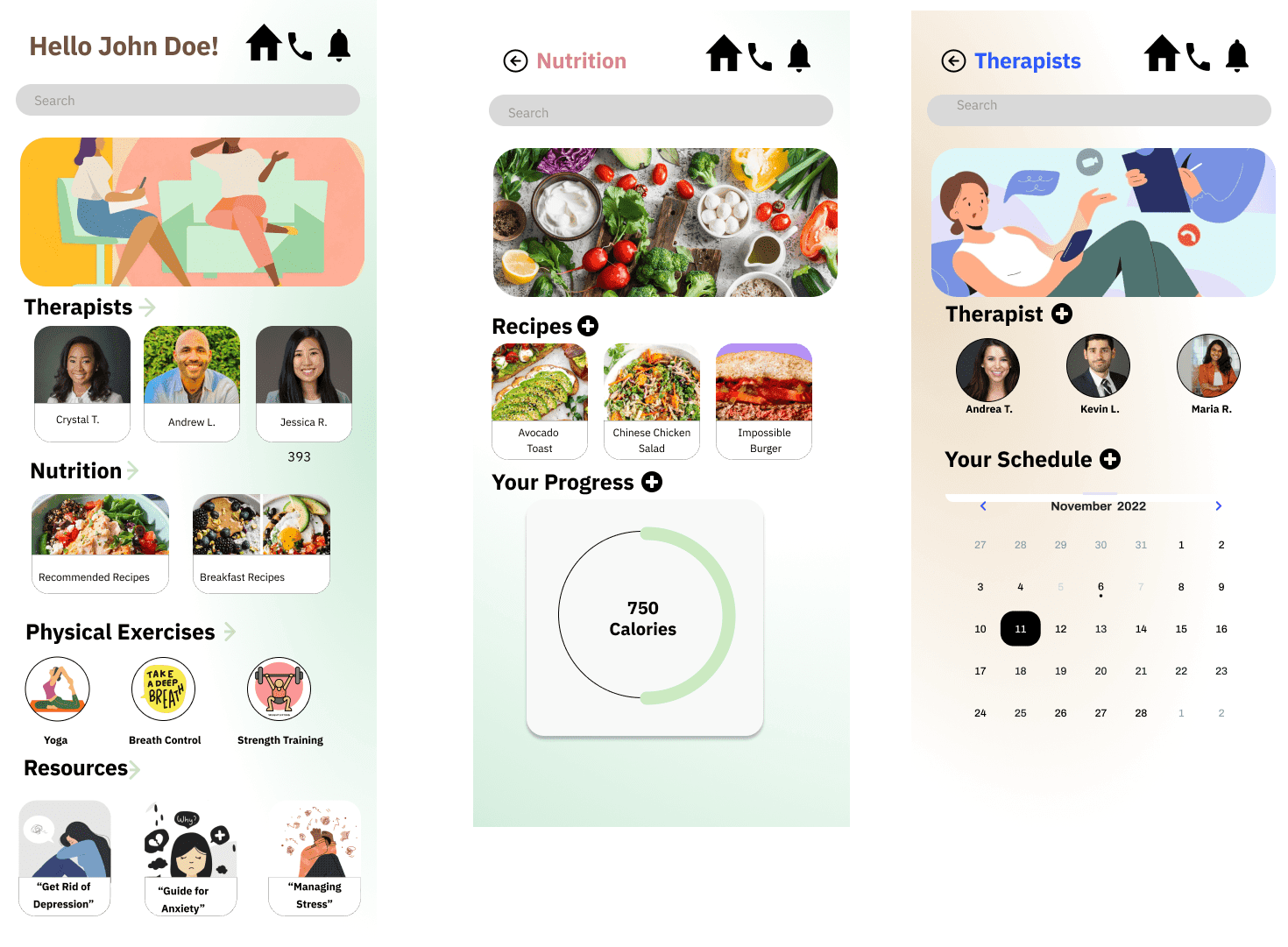
Gathering user feedback for the mental health app was crucial, helping refine features and services for a user-centered and impactful experience.
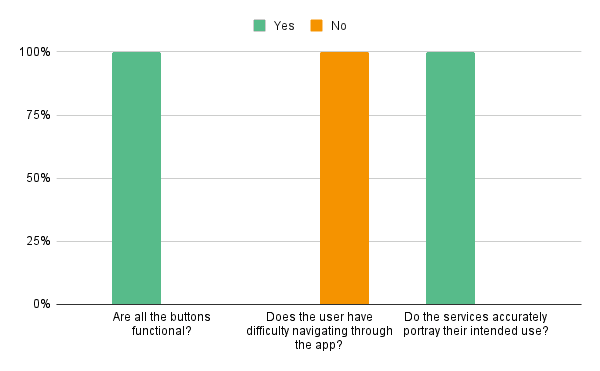
Usability testing for a mental health app is distinct, emphasizing user emotions, well-being, and sensitivity. Unlike conventional products, it gauges emotional engagement and the app's efficacy in addressing mental health needs, emphasizing safety and empathy.

User Participant #1
"…. It's a comprehensive tool that acknowledges the interconnectedness of physical health, nutrition, and mental well-being."

User Participant #2
"… I recognize the importance of clarifying how overall health significantly influences mental well-being too."

User Participant #3
"I feel the app leans more towards general health rather than mental health…. encapsulates my overall well-being, transcending a mere therapy session."
As I reflect on my journey of researching, designing, and testing the mental health app, I've grown in my understanding of user needs, UI/UX dynamics, and the potential to make a meaningful impact on mental well-being.
Potential Next Steps
- Enrich content with diverse mental health resources covering stress management, mindfulness, and coping strategies.
- Implement AI algorithms for personalized experiences, recommend resources, and tools.
- Introduce community features for interaction and support.
- Utilize analytics to refine functionality and user experience based on engagement data.
Potential Metrics

User Engagement:
Number of daily active users: 5,000
Average session duration: 20 minutes

User Satisfaction:
Average user satisfaction score in post-interaction surveys: 4.7/5
Percentage of users recommending the app to others: 92%

Seamless User
Experience:
Average app loading time: 2 seconds
Percentage reduction in app-related issues reported by users: 15%

Mental Health
Support:
Percentage increase in users reporting improved mental well-being after 1 month: 25%
Number of users regularly accessing coping mechanisms: 3,500

Resource Utilization:
Number of users accessing self-help resources per week: 8,000
Percentage increase in users seeking professional support after engaging with the app: 20%

Sustainable
Growth:
Month-over-month growth rate in app downloads: 12%
Percentage increase in user retention rate over the past quarter: 18%
My journey creating this app taught me the power of empathy and user feedback. Insights from surveys and interviews formed the foundation for addressing genuine mental health needs. Guided by their stories, I learned that impact comes from understanding. This experience highlights the importance of active listening, infusing user experiences, and continual refinement based on feedback. Empathy became the driving force behind a mental health app poised to make a positive difference.
Featured Work
These projects highlight my commitment to crafting designs that prioritize both user-centric experiences and the achievement of meaningful goals.